Who are we?
A&M Europrojects Consulting is a consulting company specialized in European funding, project development, and management. We assist businesses, organizations, and institutions throughout the entire process — from identifying a suitable program to the preparation, submission, implementation, and reporting of the project.
We believe that good ideas deserve an opportunity to be realized. Therefore, we work with an individual approach to each client, clear communication, and attention to detail. Our goal is to transform the complex process of application and project management into a clearer, more organized, and efficient path toward development.
Our mission
To assist our clients in realizing meaningful ideas through European funding.

Our vision
To be a trusted partner and a recognizable consultant in the field of European projects.
Our values
Professionalism, transparency, responsibility, individual approach, and long-term partnerships.

Individual approach
Every client and project are unique and receive solutions tailored to their goals and needs.
Trust and integrity
We work honestly, transparently, and in the interest of our clients at every stage of cooperation.
Effectiveness
We focus on real, applicable, and sustainable results that create value for our clients.
Our team – Your partner
The team of A&M Europrojects Consulting consists of experienced specialists in the field of European projects, project management, finance, public procurement, and communications.
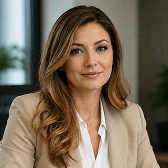
Ani Nikolova
Managing Partner
Lorem ipsum dolor sit amet, consectetur adipiscing elit. Sed do eiusmod tempor incididunt ut labore et dolore magna aliqua.
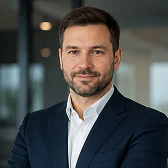
Momchil Nikolov
Project Manager
Lorem ipsum dolor sit amet, consectetur adipiscing elit. Sed do eiusmod tempor incididunt ut labore et dolore magna aliqua.
We are ready to work together with you!
If you have project ideas or need a consultation, contact us. We will be happy to help you!